In New Zealand, motorcycle insurance isn’t compulsory. You can legally ride with no insurance at all. But if you damage someone’s Ranger at a roundabout or your bike gets stolen from outside the dairy, you’ll quickly wish you had it.
This guide explains how motorcycle insurance works in NZ, the different types of cover, what changes your premium, and what to compare when you get quotes.
First, what ACC does and doesn’t cover
New Zealand’s ACC scheme covers injuries from motorcycle crashes, whoever was at fault. Part of your motorcycle registration pays for this through the ACC levy.

What ACC doesn’t cover:
- Damage to your bike
- Damage you cause to someone else’s car, bike or property
- Theft of your bike
- Your riding gear
That’s what motorcycle insurance is for.
The three main types of cover
1. Third party only
The cheapest option. It covers damage you cause to other people’s vehicles and property, but not damage to your own bike. Some insurers include a small amount of cover for your bike if an uninsured rider or driver hits you and you can identify them.
Good for: cheap, older bikes that wouldn’t be worth much to repair or replace. Even then, third party cover protects you from a large bill if you hit an expensive car.
2. Third party, fire and theft
Everything in third party, plus cover if your bike is stolen or damaged by fire. It doesn’t cover damage to your bike in a crash you cause.
Good for: mid-value bikes where theft is the main worry – a real risk for popular models, scooters in cities and bikes parked on the street.
3. Comprehensive
The most complete cover. It covers damage to your own bike (including crashes that are your fault), theft, fire and damage to other people’s property. Many comprehensive policies include extras like towing, replacement keys and locks, and helmet cover.
Good for: newer and higher-value bikes, anything with finance owing (finance companies usually require comprehensive cover), and anyone who couldn’t afford to replace their bike out of pocket.
Specialist cover
Some insurers also offer:
- Storage or laid-up cover – cheaper cover for bikes that are stored and not ridden, such as over winter.
- Classic or vintage cover – for older bikes, often with agreed value and limited annual riding.
- Off-road and competition cover – for dirt bikes, track days and racing, which standard policies usually exclude.
- Transit cover – for bikes carried on a trailer or in a van.
Agreed value vs market value
This is one of the most important things to understand.
Agreed value
you and the insurer agree on a value when you take out the policy. If the bike is written off or stolen, that’s what you’re paid (minus your excess).
Market value
if the bike is written off, the insurer pays what it was worth on the market at the time – which may be less than you expect, especially for modified or rare bikes.
With agreed value, review the amount every year. Bikes usually lose value, and over-insuring means you pay a higher premium for money you won’t get back.
What affects your premium
- The bike: its value, engine size, age and how attractive it is to thieves. Sportsbikes usually cost more to insure than commuters or cruisers.
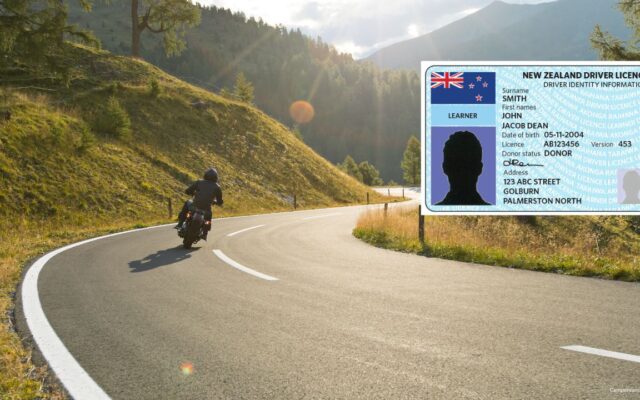
- You: your age, licence type, riding experience and claims history. Riders under 25 and those on learner or restricted licences usually pay more and may face higher excesses.
- Where you live and park: a bike garaged at night in a small town costs less to insure than one parked on the street in a big city.
- How you use it: commuting every day vs weekend rides.
- Your excess: choosing a higher excess usually lowers your premium.
- Modifications: aftermarket exhausts, performance parts and big accessories can raise premiums or affect whether cover is offered. Always disclose them.
Riding gear: check whether it’s covered
Good riding gear can easily cost $2,000 or more. Some comprehensive policies automatically cover your helmet in an approved claim. Others let you add protective clothing (jacket, pants, gloves, boots) as an optional extra up to a limit. Third party policies generally don’t cover gear.
If gear isn’t covered on your bike policy, check whether your home contents policy covers it.
Watch the fine print
These are the areas where policies differ most:
- Who can ride: some policies cover any licensed rider; others only named riders. Young or inexperienced riders may be excluded or carry an extra excess.
- Licence conditions: if you break your licence conditions – for example, carrying a pillion on a learner licence – your claim may be declined.
- Security requirements: some policies require the bike to be locked or garaged for theft claims.
- Excesses: check the standard excess and any additional excesses for young riders, unnamed riders or theft.
- Alcohol and drugs: riding impaired almost always voids your cover.
- Track days and off-road riding: usually excluded from standard road policies.
- Overseas use: taking your bike to Australia usually needs separate cover.
Who offers motorcycle insurance in NZ?
Most of the big general insurers offer motorcycle cover, including AA Insurance, AMI, State and others. There are also specialist motorcycle insurers and brokers, such as Star Insurance Specialists, Protecta and motorcycle-focused brokers, which can be a good fit for sportsbikes, modified bikes, competition use or riders who struggle to get cover elsewhere.
Comparison sites can help you see a range of quotes quickly, but they don’t always include every insurer. Get a few direct quotes as well.
Tips to keep your premium down
- Bundle policies: many insurers offer multi-policy discounts if your home or car is with them.
- Choose a sensible excess: pick one you could pay tomorrow without stress.
- Improve security: garage parking, disc locks, alarms and trackers reduce theft risk and can help with premiums.
- Do rider training: courses like ACC’s Ride Forever won’t always lower your premium, but they make you a safer rider, which keeps your claims history clean.
- Review agreed value every year.
- Consider laid-up cover if you park the bike for several months each winter.
- Be honest on your application: leaving out modifications, previous claims or licence history can lead to your claim being declined when you need it most.
Questions to ask before you buy
Your quote checklist
- Is this agreed value or market value?
- What’s the excess – and are there extra excesses for my age, licence or theft?
- Who is allowed to ride the bike?
- Is my helmet and riding gear covered, and up to what amount?
- Are there security requirements for theft claims?
- Does it include roadside assistance or towing?
- Can I pause or reduce cover over winter?
- Are my modifications and accessories covered?