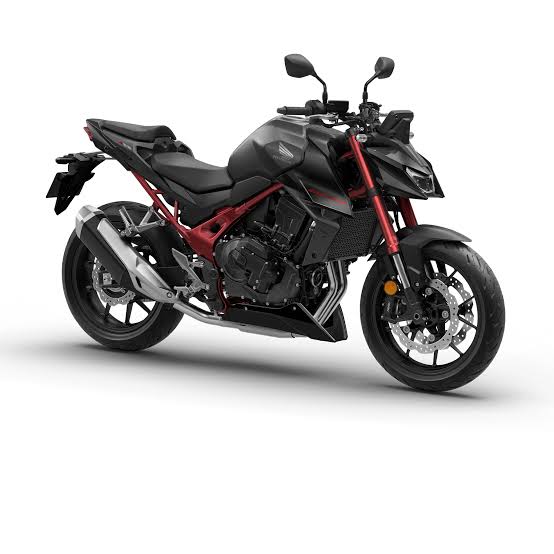
At an RRP of $15,995, the Honda CB750 Hornet has held its New Zealand price since it launched in 2023. That’s impressive, because the 2026 model adds Honda’s E-Clutch. You still get the most powerful engine in this part of the market, quality brakes and a full set of rider modes. You don’t get fancy suspension or cornering ABS.
What is it?
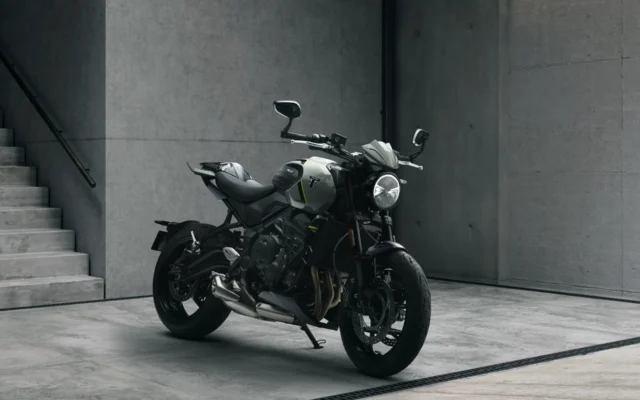
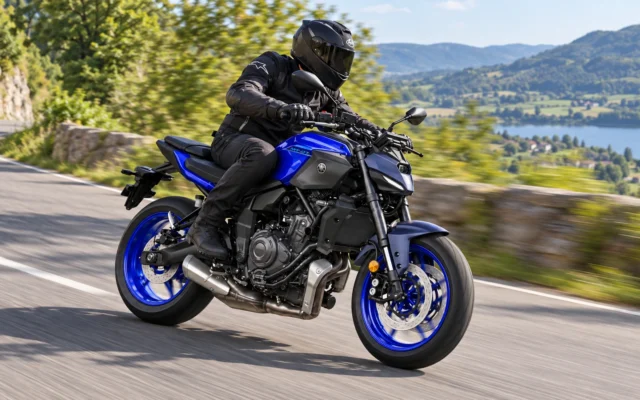
The CB750 Hornet revived Honda’s Hornet name with an all-new middleweight naked. It sits between the CB650R and the CB1000 Hornet in Honda’s range, and competes head-on with the Yamaha MT-07, Triumph Trident 660 and Suzuki GSX-8S.
The 2026 update is small apart from one big feature:

- Honda E-Clutch, which automates the clutch for gear changes and pulling away
- a reshaped headlight housing
- refreshed rider modes, now with two User modes
The Hornet is a full-licence bike. There’s no LAMS version.
The engine: strong and punchy
The 755cc parallel twin makes a claimed 90.5hp (67.5kW) at 9,500rpm and 75Nm at 7,250rpm. That’s about 18hp more than a full-power MT-07, and more torque than the Trident 660. The 270-degree crank gives it a lumpy, V-twin-like feel and a good sound.
Testers describe it as fun and fast without being intimidating. It’s eager in the midrange and keeps pulling to the top. Ride-by-wire lets you adjust power, engine braking and traction/wheelie control. In the User modes you can switch traction control off, but it turns back on when you restart the bike.
The E-Clutch: easier than it sounds
The E-Clutch is a compact motor unit on the right side of the engine. It operates the clutch for you, so you can:
- pull away from a stop without touching the lever
- change up or down without the lever, at any revs
- come to a stop in gear without stalling
It isn’t an automatic. You still change gear with your foot. The clutch lever stays on the bars, and using it overrides the system at any time. In practice it works like a very smooth up-and-down quickshifter that also handles traffic. Reviewers say it works so well you quickly stop thinking about it. It adds about 4kg.
It’s a real benefit for commuters in Auckland or Wellington traffic, and for riders returning to biking after a break.
Chassis and handling
The steel diamond frame is light, and the Hornet is agile and easy to turn. It feels sporty without being nervous.
As with its rivals, the suspension is where Honda saved money. The 41mm Showa forks look premium but have no adjustment. The rear Pro-Link shock only adjusts for preload. It’s fine for road riding, but on rough NZ back roads or at a fast pace it can feel underdamped.
Weight and seat height
At a claimed 196kg wet with the E-Clutch, the Hornet is competitive with its rivals. The 795mm seat is the lowest of the three bikes in this group, which makes it easy for shorter riders to manage.
Brakes
- front: twin 296mm floating discs with radial four-piston Nissin calipers
- rear: a single 240mm disc
- ABS front and rear
The front brakes are strong and offer good feel. The ABS isn’t cornering-sensitive, though. The Trident 660 has the edge here.
Electronics
You get three preset modes (Sport, Standard and Rain) and two User modes. Each adjusts power delivery, engine braking and traction control (with wheelie control). The 5-inch TFT dash is clear and works with Honda’s RoadSync app for phone connectivity and navigation.
What’s missing is an IMU, so there’s no cornering ABS or lean-sensitive traction control. Cruise control isn’t standard either.
Comfort and practicality
The riding position is upright with a slight forward lean, and testers rate comfort highly for a naked bike. The 15.2L tank is the biggest of this group, so range is good. One common complaint is the mirrors, which don’t show enough of what’s behind you. As with any naked, there’s no wind protection to speak of.
Ownership considerations
This is a Honda strength:
- reviewers consistently praise the build quality
- Honda has one of the biggest dealer networks in New Zealand
- reliability is expected to be excellent
- resale values for Hondas are typically strong
The E-Clutch is new technology, but Honda has used it on the CB650R and CBR650R since 2024 without widespread issues.
The verdict
What’s good:
- most power and torque in its price bracket
- E-Clutch makes traffic easier and gear changes seamless
- strong radial front brakes
- low 795mm seat and comfortable ergonomics
- Honda build quality and dealer support
- NZ price unchanged since launch
What’s not:
- non-adjustable forks; preload-only rear shock
- no cornering ABS or IMU
- no cruise control
- poor mirrors
- understated styling
- not available as a LAMS bike
Bottom line: The CB750 Hornet is the muscle of the middleweight naked class. If you have your full licence and want the most performance for around $16,000, it’s hard to beat, and the E-Clutch is a genuinely useful extra. The Triumph Trident 660 offers more standard tech and cornering ABS for similar money. The Hornet offers more grunt and Honda reliability. Test ride both.
Price and specifications are from Honda Motorcycles NZ and international reviews at the time of writing. Check with your local Honda dealer for current pricing and which specification is in stock.